A guide for buying where the sun is brighter, the schools are better, and life is easier.
San Francisco, the Peninsula, Silicon Valley, and Marin are saturated. The East Bay is a better life at half the price — similar homes across the regions.
Single-family homes, 3+ bedrooms, 1,800+ sq ft · closed sales, 2026 · BridgeMLS.
Read it twice.
So you've decided you want space, weather, a real food scene, an easy commute, and value. Now the only question left is where. Oakland? Berkeley? Piedmont? Alameda?
Start with the gap that pushes people out of the city in the first place:
San Francisco Condo
San Francisco House
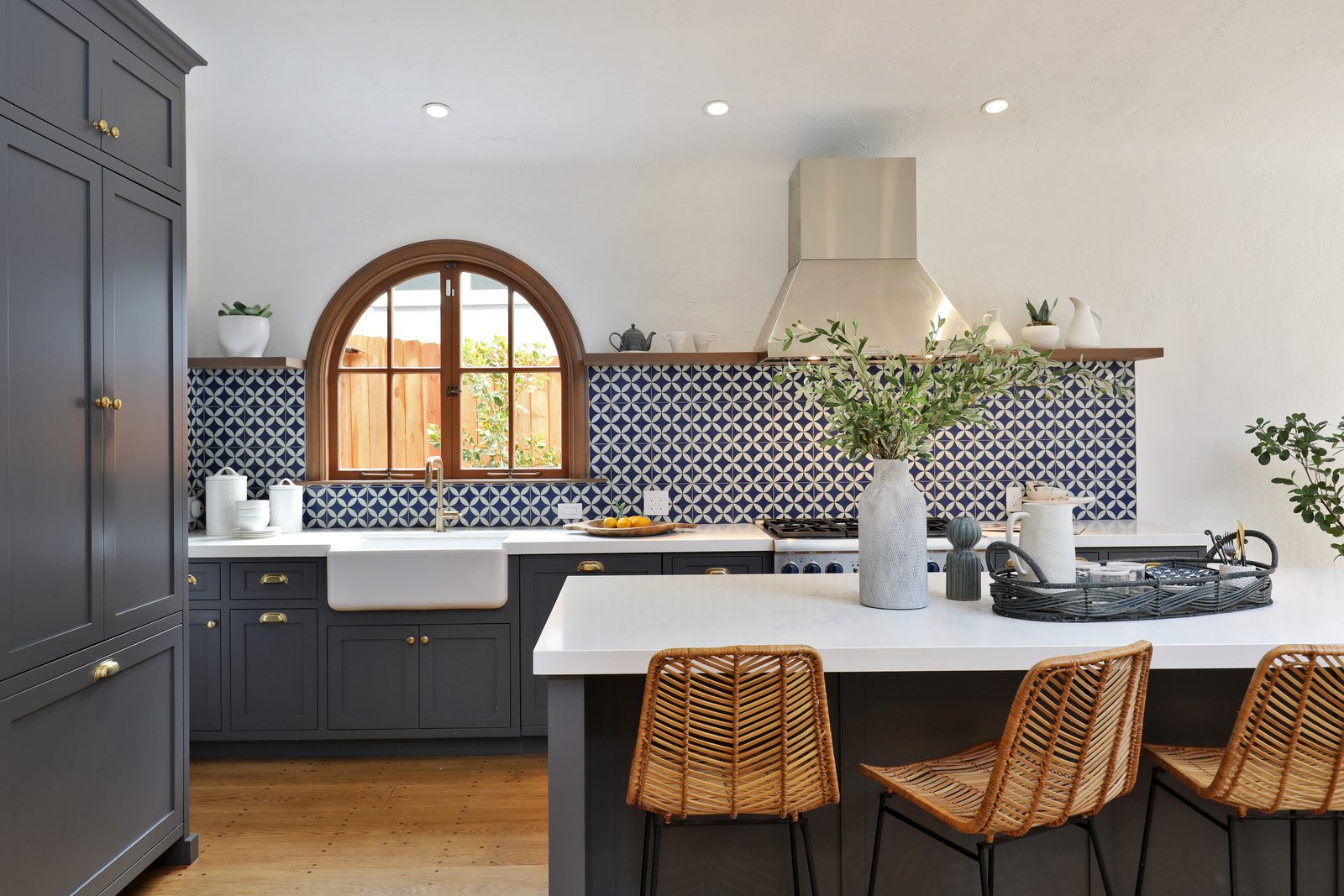
The East Bay isn't "discount San Francisco." It's better at the things SF is bad at — sun, space, schools, parking, a yard — and it does it for less. The value doesn't live in a blanket "it's cheaper" claim; it lives in specific neighborhoods. So let's decode them.
The numbers:
Single-family detached medians, BridgeMLS — Real Estate Decoded (July 2026). A starting frame, not a price tag.
In most of the East Bay you buy into an attendance area and that's your school — no lottery. Talk to enough families who've made this move and a theme repeats: it isn't only about test scores, it's about knowing which school your kid will actually attend.
In San Francisco, elementary assignment runs through a lottery. You can buy a home a block from a school you love and still be placed across town. For a lot of families, that lack of control is the thing that finally tips the decision.
The East Bay works differently. Piedmont, Albany, and the Lamorinda districts operate on straightforward neighborhood assignment, and the boundaries are knowable before you write an offer. The house you choose determines the school. No lottery, no waiting, no backup plan.
Families do tend to concentrate in the best-known school communities — Piedmont, Albany, Kensington, the Lamorinda towns — and that demand shows up in pricing from cycle to cycle. It moves around, though; school-district premiums run warmer in some years and cooler in others, so treat schools as one factor in your decision rather than a permanent law of the market.
If schools matter to your search, start there. My East Bay School Guide maps ratings and attendance boundaries against neighborhood median prices, so you can see the trade-offs before you fall in love with a house.
The single thing that catches newcomers most: out here, the list price is an opening move, not the price. It's better to hear it now than mid-search. It isn't new and it isn't a bubble — Oakland has priced this way since the 1990s, long before San Francisco picked up the habit. It simply means the number on a listing tells you very little on its own.
What matters is what homes on that particular street actually sell for, and that varies more than most people expect. In a neighborhood like Crocker Highlands, two nearly identical houses across the street from one another can settle at meaningfully different numbers. It isn't in any report you can pull — it's pattern recognition earned block by block over years.
Some of the best homes never reach a public portal at all, or trade in a few precious days once they do. That access isn't a search tool — it's relationships built over time with the agents who work these pockets.
Which brings me to the one real catch of this move: your San Francisco agent can't make it for you. Not for lack of talent — for lack of ground truth. Winning here takes block-level knowledge of these neighborhoods: what that street actually sells for, which side of the ridge gets the sun, how to price an offer against comps no portal surfaces — plus the relationships that get the listing agent to pick up the phone. A great SF agent built all of that on the wrong side of the bridge. You need a local powerhouse. That's the job you're hiring me for. Buyers who cross with the right local guidance rarely describe this market as brutal. They describe it as the easiest part of the move.
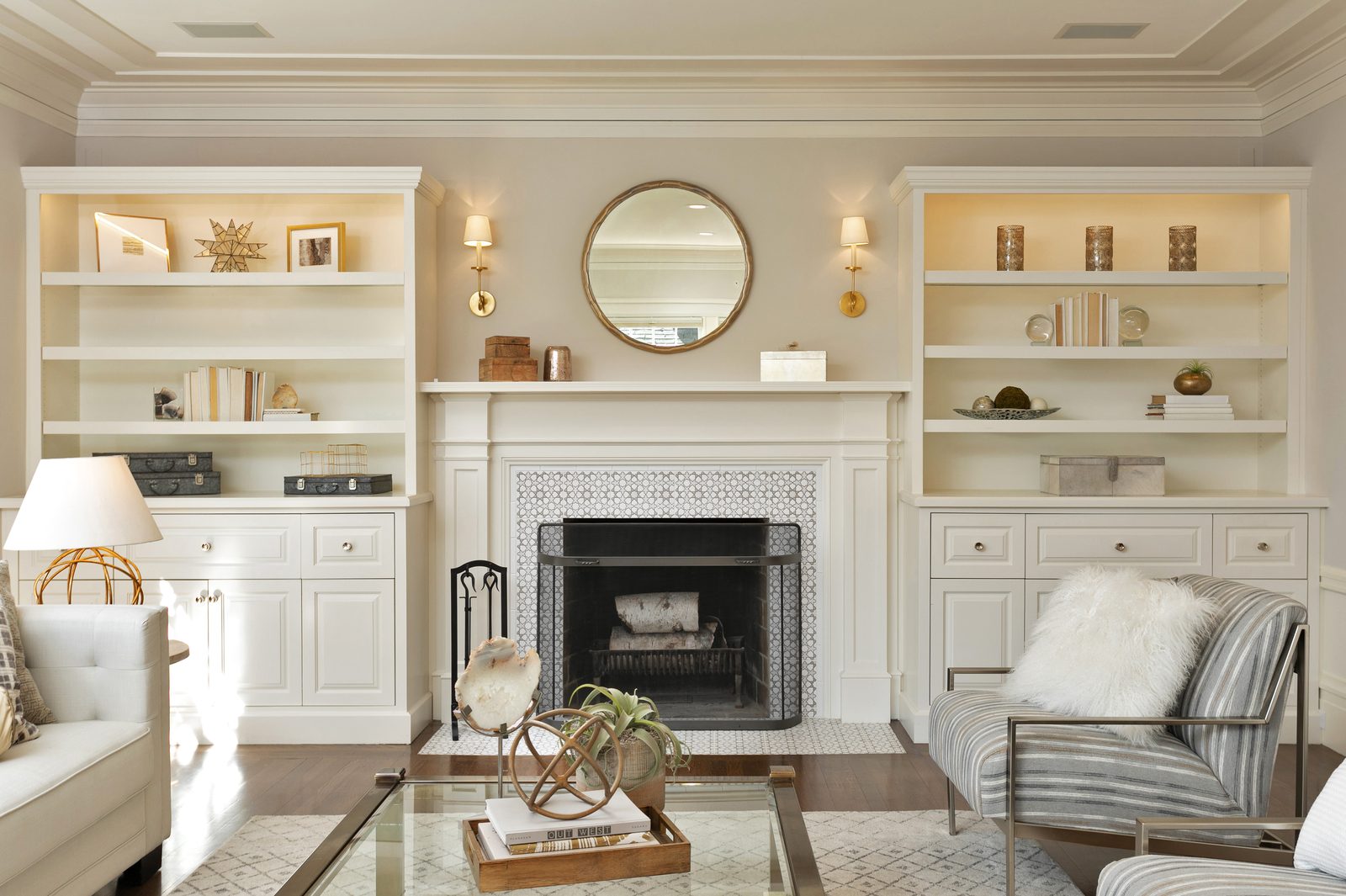
Medians are single-family detached, BridgeMLS (Real Estate Decoded, July 2026)
Pacific Heights, if Pacific Heights had its own city hall and a public school district families move for. An independent city of its own, wrapped entirely inside Oakland — own police, own schools, own civic life. Estate homes, old oaks, and public schools that families genuinely move here for. It's the East Bay's most established address, and for a certain buyer it's the whole reason they cross the bridge.
San Francisco has a mansion shortage. Piedmont has a comeback: "We've got mansions — yes we do! We've got mansions — how 'bout you?"
Explore Piedmont →The Noe Valley of the East Bay — and the one that converts San Francisco buyers fastest. Craftsman bungalows on tree-lined streets, College Avenue running through the middle of it with Market Hall, the bookstores, the sidewalk tables. You can live here without touching your car, and BART puts you at the Embarcadero in about twenty minutes. If what you loved about San Francisco was walking out your door into a real neighborhood, this is where that feeling lives.
Explore Rockridge →Where Rockridge climbs into the hills. Wider lots, mid-century moderns with Bay views, quieter streets, and Hillcrest K–8 — one of the most sought-after schools in Oakland Unified. A little more room to breathe, a five-minute drop back down to College Avenue when you want the action.
Its own village tucked into the hills, with a proper little downtown of restaurants and shops. Wooded lots, big houses, deer in the yard, and a genuine sense of retreat fifteen minutes from downtown Oakland. This is where your money buys square footage and trees — the classic "we didn't know we could have this" moment for buyers coming from a city flat.
Explore Montclair →Think St. Francis Wood, but with warm weather — and half the price. Spanish Eclectic, Mediterranean Revival, and Tudor homes built in the 1920s and '30s, most of them lovingly kept, on curving streets that were designed to curve. Grand Lake and its farmers market on one side, Piedmont on the other. Trestle Glen is the quieter sibling just over the ridge — same beloved elementary, a little more house for the money.
Explore Crocker Highlands →Craftsman architecture at its peak, the Gourmet Ghetto (North Beach's spiritual cousin, with better produce), Elmwood's shops, Claremont's hills, and a university that keeps the whole place intellectually caffeinated. Three BART stations, twenty-five minutes to the city. For buyers who want culture and character rather than polish, Berkeley is hard to beat at this price.
Explore Berkeley →The Outer Sunset, if the Outer Sunset ever got any sun. A flat, bikeable island with one of the most intact Victorian streetscapes in California, three ferry terminals, and a beach. Alameda Unified earned a National Blue Ribbon in 2024, which makes this a rare schools-and-value combination. Park Street for dinner, the Seaplane Lagoon ferry under twenty minutes to downtown San Francisco. Quiet luxury with actual bones.
Explore Alameda →Small, walkable, and genuinely excellent — Albany Unified is one of the best districts in the Bay Area, and the town is charming in an unshowy way. Solano Avenue for the shops and the food, close enough to Berkeley to borrow its culture. Consistently the best value-per-school-quality trade in the region.
An unincorporated hillside enclave above El Cerrito with sweeping Bay views, winding roads, and Berkeley schools. Tiny, leafy, and quietly beloved by the people who live there. If you want views and calm without a long drive, this is the pocket.
The value story right now. Two BART stations, postwar bungalows and hillside homes with views, an easy family pace, and prices meaningfully below its neighbors. If your budget is the binding constraint, this is where it stretches furthest without giving up location.
Lafayette is the Marina of the East Bay — Marina expats find it with uncanny reliability. Just through the Caldecott: big lots, mature trees, a suburban rhythm, and the Acalanes Union district — among the strongest public schools in California. This is the choice for families who want space and certainty and don't mind a fifteen-minute drive to reach it.
A note on Oakland: the citywide median sits around $1.0M, but Oakland is not one market. The range across its neighborhoods is enormous — which is exactly why block-level guidance matters more than any citywide number. See the full Oakland neighborhood guide.
From Rockridge, you're about twenty minutes from the Embarcadero by BART — no toll, no merge, no white-knuckling the approach. Berkeley, 25–27 minutes. El Cerrito, about 30. AC Transit's Transbay express buses run the bridge's dedicated lanes straight into the Salesforce Transit Center. And five different East Bay ferry terminals — Jack London Square, Alameda Main Street, Seaplane Lagoon, Harbor Bay, and Richmond — put you at the SF Ferry Building in 25 minutes or less.
With hybrid work now permanent for most professionals, the math has shifted further. When you're heading in two or three days a week, the question isn't whether the commute is manageable — it's whether the lifestyle you're buying is worth the price. On that calculation, the East Bay wins decisively.
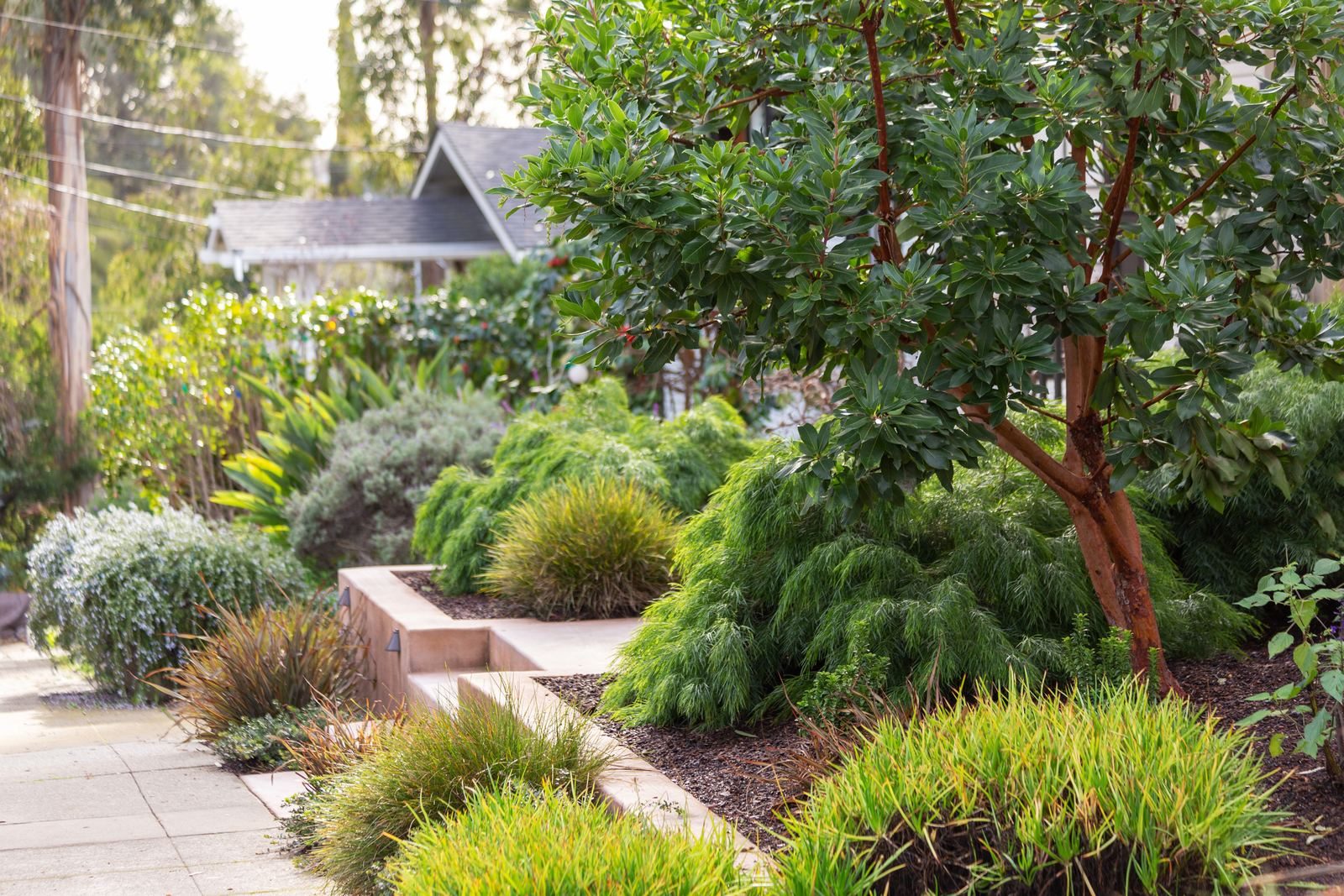
If you're funding your East Bay purchase by selling in San Francisco, preparation is everything. The first conversation I have with every seller-turned-buyer is about sequencing: do you sell first for certainty on your budget, or go under contract in the East Bay first? There's no universal answer — it depends on your equity, your financing, and your appetite for briefly carrying two mortgages. What matters is that we treat both transactions as one coordinated move, not two disconnected events.
The buyers who have the best experience out here share three habits. They figure out which neighborhood actually fits their life before they start touring, so they're not deciding under pressure. They get fully pre-approved early, so a good house never becomes a missed opportunity. And they lean on someone who knows these blocks well enough to handle the tactical parts on their behalf.
Do those three things and the East Bay is a genuinely pleasant place to buy — which is not a sentence most people expect after shopping in San Francisco.
If you want space, sun, schools, a real food scene, and a train that gets you to the city faster than most driveways get you to a bridge — yes. If your heart is set on a specific slice of San Francisco that has no equivalent anywhere, maybe not. The honest answer depends on what you actually love about where you live now. That's the first conversation, and it's the one I start every relocation with.
Most San Francisco neighborhoods have a distinct East Bay counterpart with more space and a lower price — and the difference between a brutal search and an easy one is having someone who knows these blocks well enough to handle the tactical parts on your behalf. Tell me what you loved about your SF neighborhood, and I'll tell you where it lives over here and what it costs.
Ten years across this water, from first-time buyers to sellers running both sides of the move at once. Finance background, deep East Bay market knowledge, and a hospitality-grade approach to getting it done.